
Envirowaste
Confined Space Entry
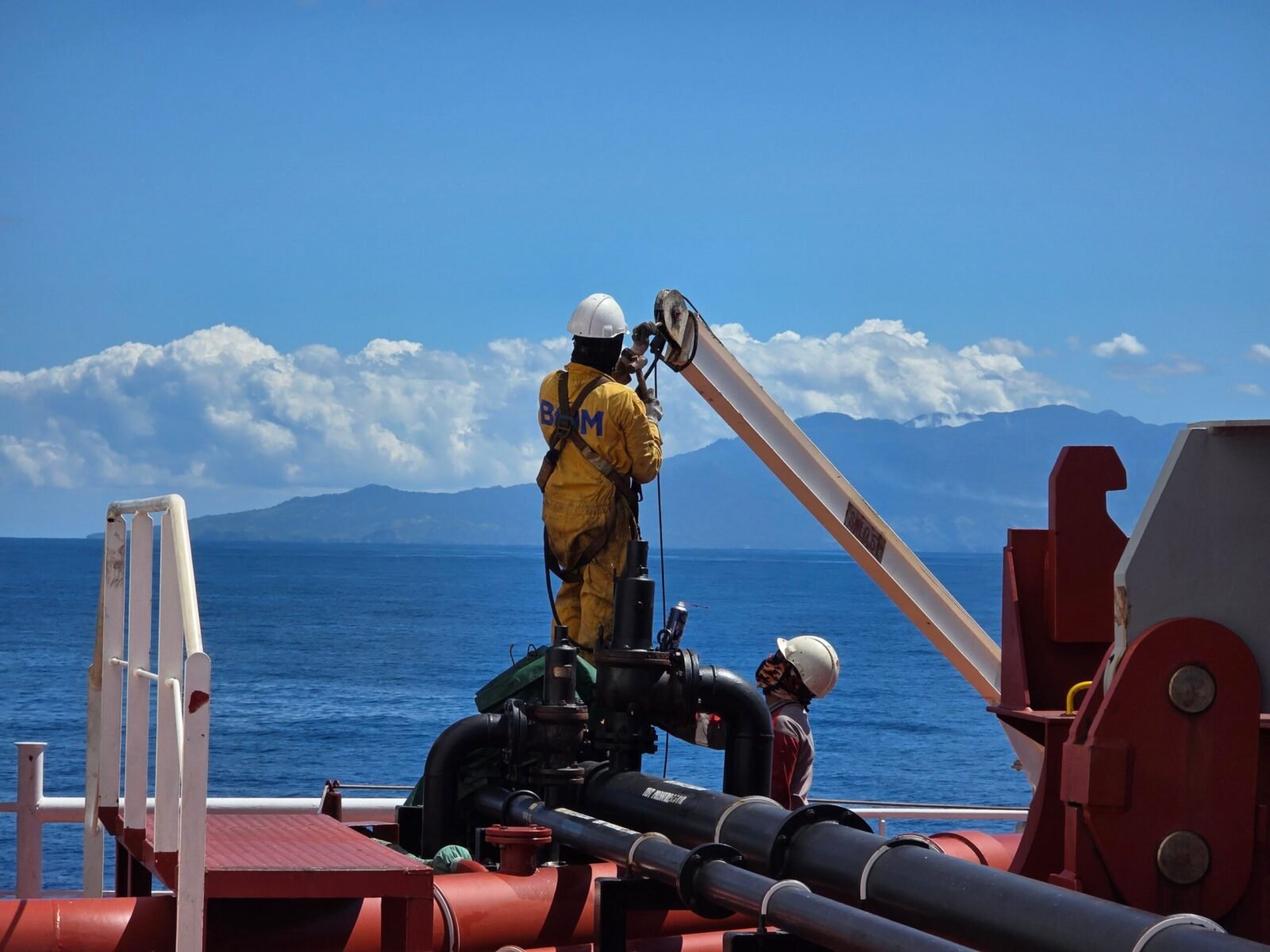
Tanker crew members are most at risk during tank cleaning operations, when over 45% of all fatalities occurred, mainly due to explosions. Shore workers are most at risk during shipyard repair work, with 25% of fatalities. Small coastal tankers are the highest risk vessel type
01
Key Hazards
Toxic and Flammable Vapors: Accumulation of hydrogen sulfide (H₂S), carbon monoxide, benzene, and volatile hydrocarbons.
Oxygen Deficiency: Displacement of oxygen by inert gases or hydrocarbon vapors.
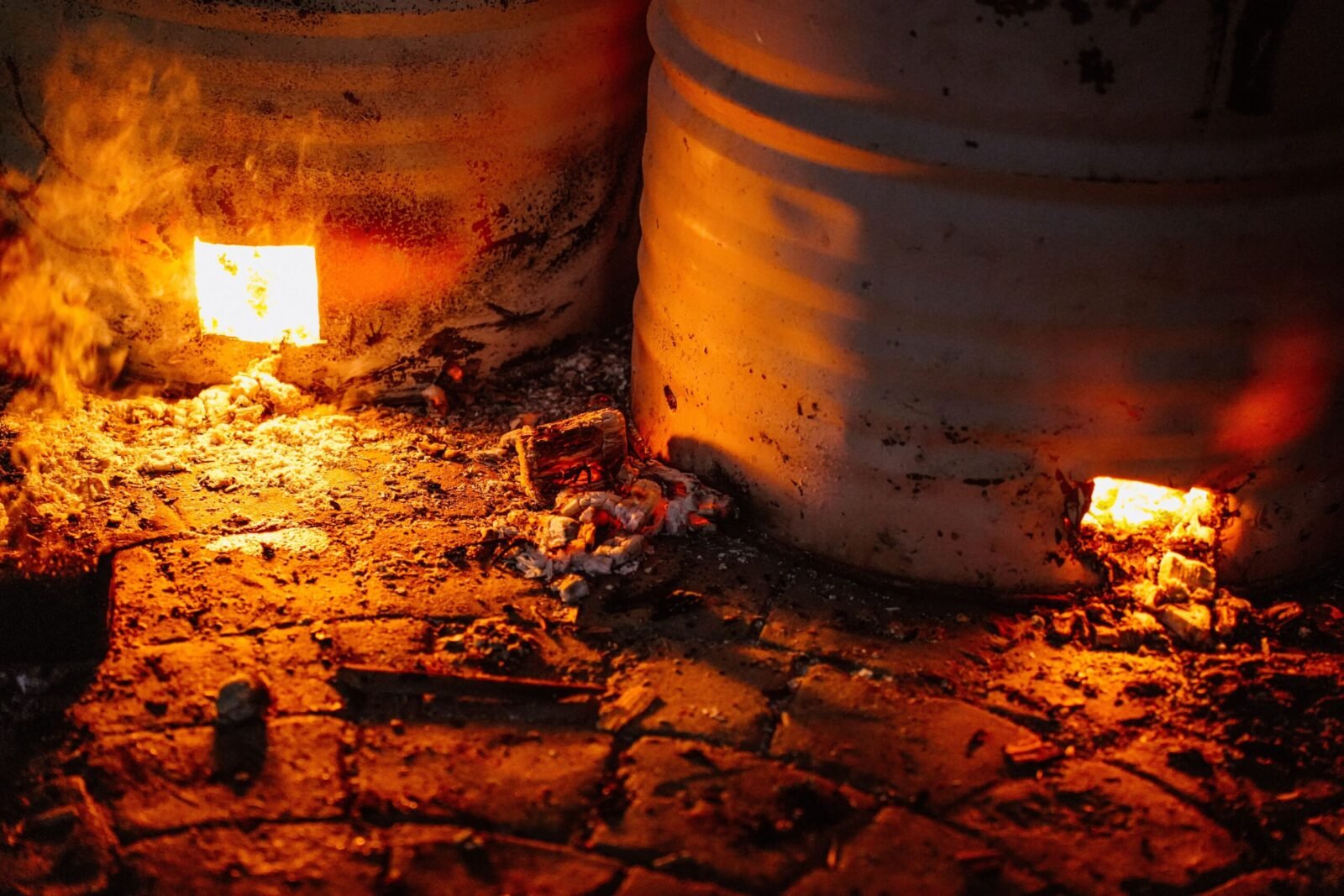
Static Electricity and Ignition: High-pressure washing jets can generate static charges capable of igniting residual oil mist or vapors if grounding is improper.
Radioactive Scale (NORM/LSA): Naturally Occurring Radioactive Material and low-specific-activity scale trapped in sludge deposits
02
Mandatory Pre-Entry Safety Requirements
Permit-to-Work (PTW) & Risk Assessment: Mandatory evaluation and sign-off before opening any tank hatch or entering the space
Tank Isolation & Decommissioning: Disconnect, blind, or lock out all product, steam, and chemical lines feeding into the tank
Permit-to-Work (PTW) & Risk Assessment: Mandatory evaluation and sign-off before opening any tank hatch or entering the space
Atmospheric Testing: Continuous, calibrated multi-gas testing must confirm:
Oxygen levels between 19.5% and 23.5%.
Flammable gases below 10% LEL (Lower Explosive Limit) (or lower if chemical cleaning applies)
Toxic gas levels (H₂S, benzene, CO) within safe threshold limits
Forced Ventilation & Inerting: Purge the tank using continuous forced-air ventilation or nitrogen inerting (reducing oxygen below target thresholds like 8% for automated closed systems)
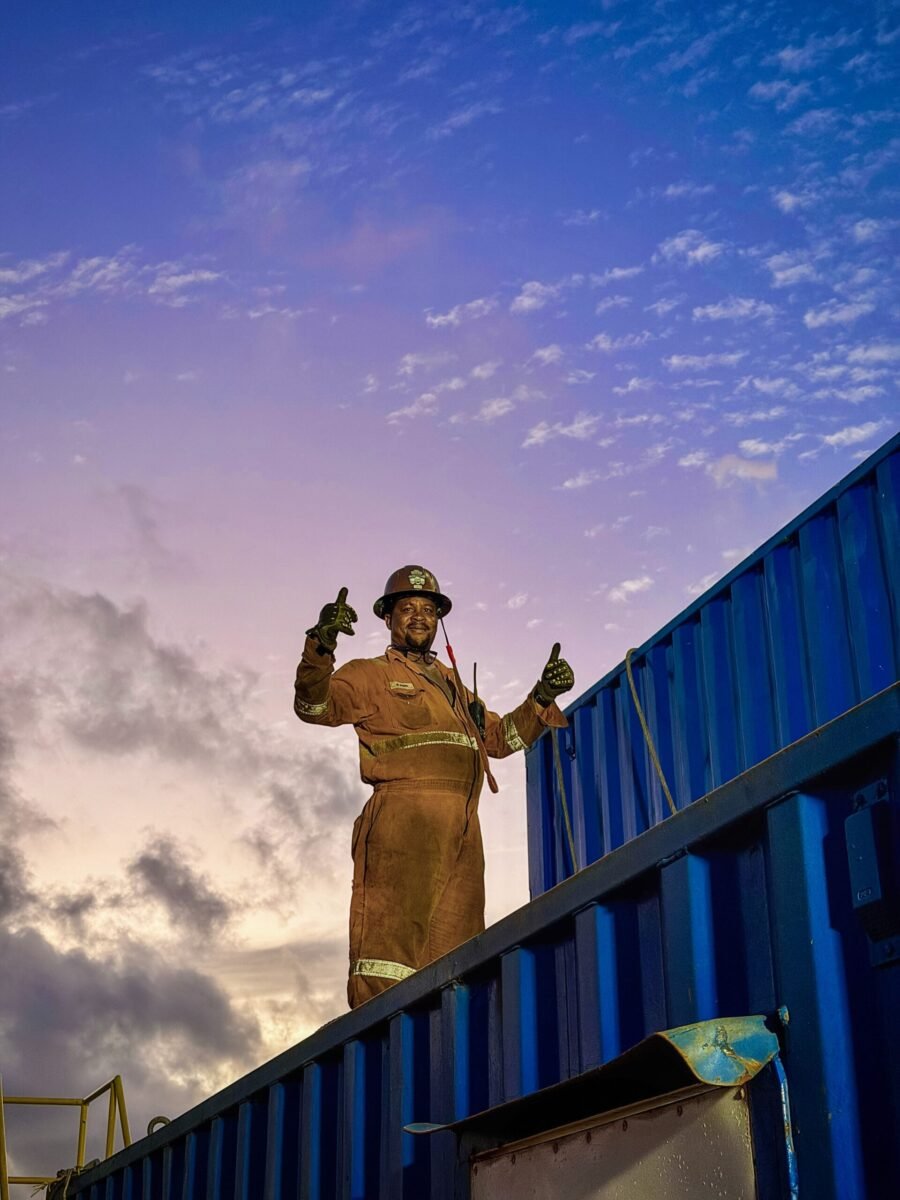
Envirowaste GTC Unit 224 v2.0
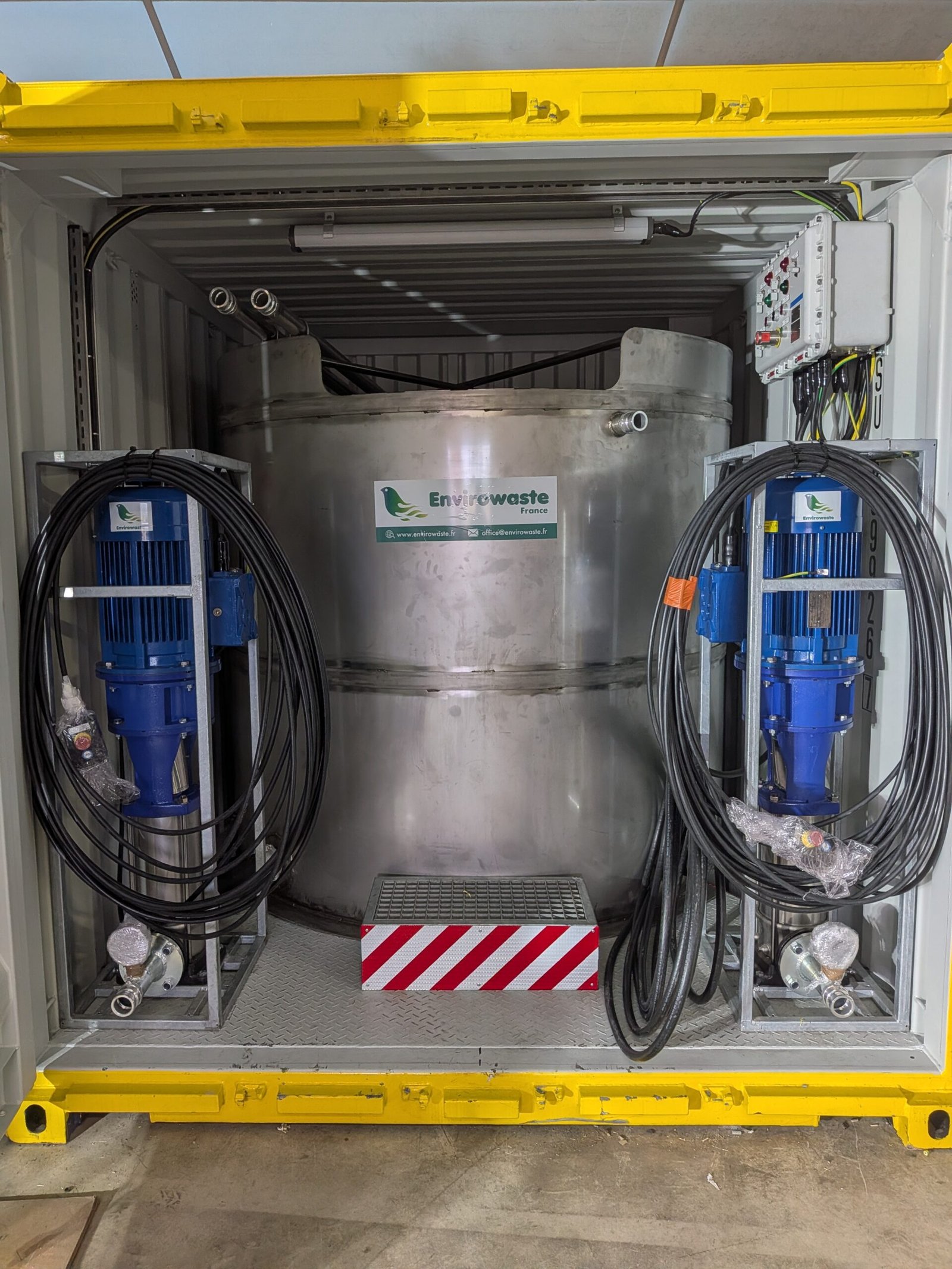
Complete GTC Unit 224 v2.0 after testing and inspection
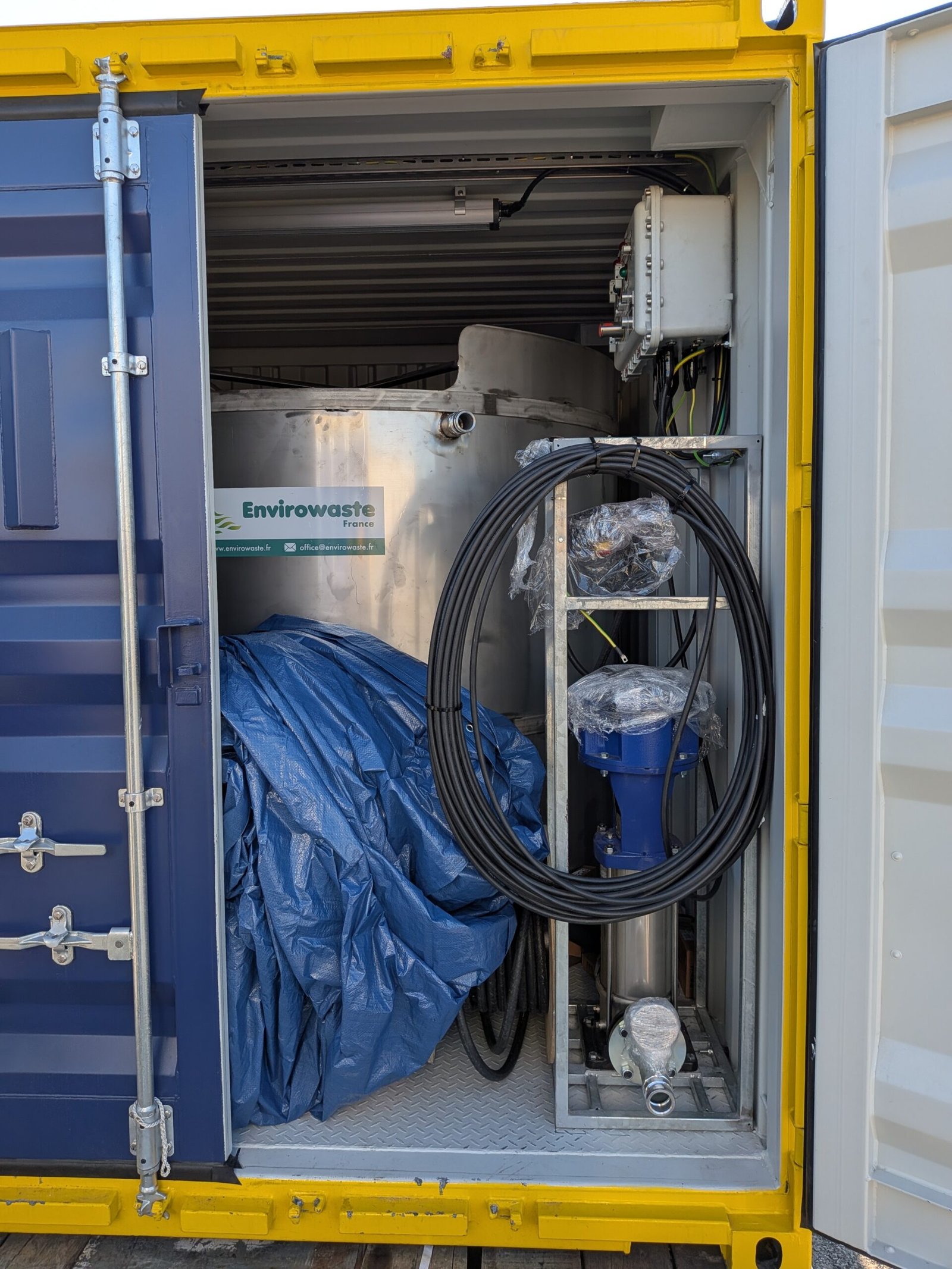
Complete GTC Unit 224 v2.0 all packed complete with accessories and slings ready to be loaded
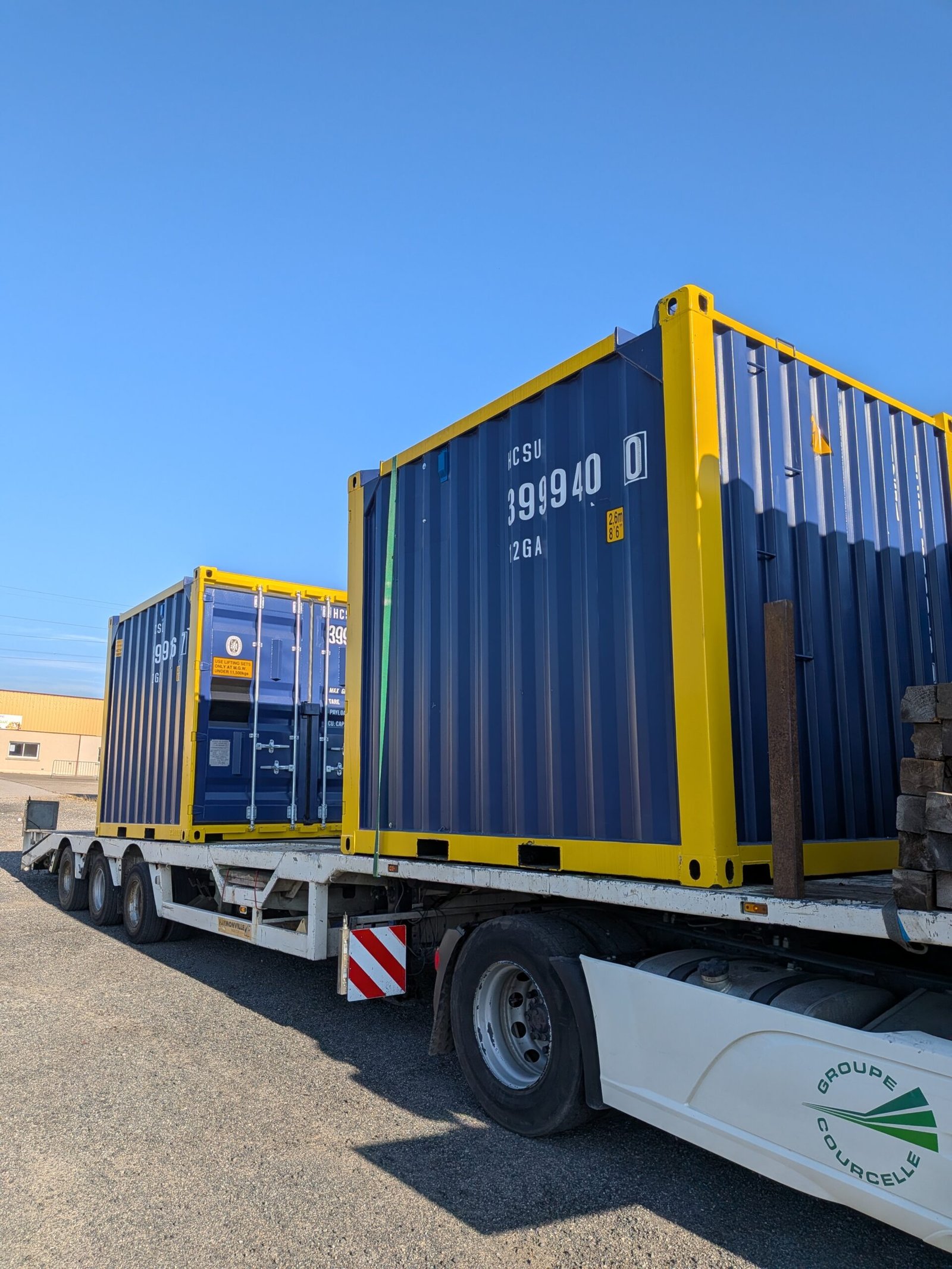
Complete GTC Unit 224 v2.0 loaded on lorry for transporting to the port in France
03
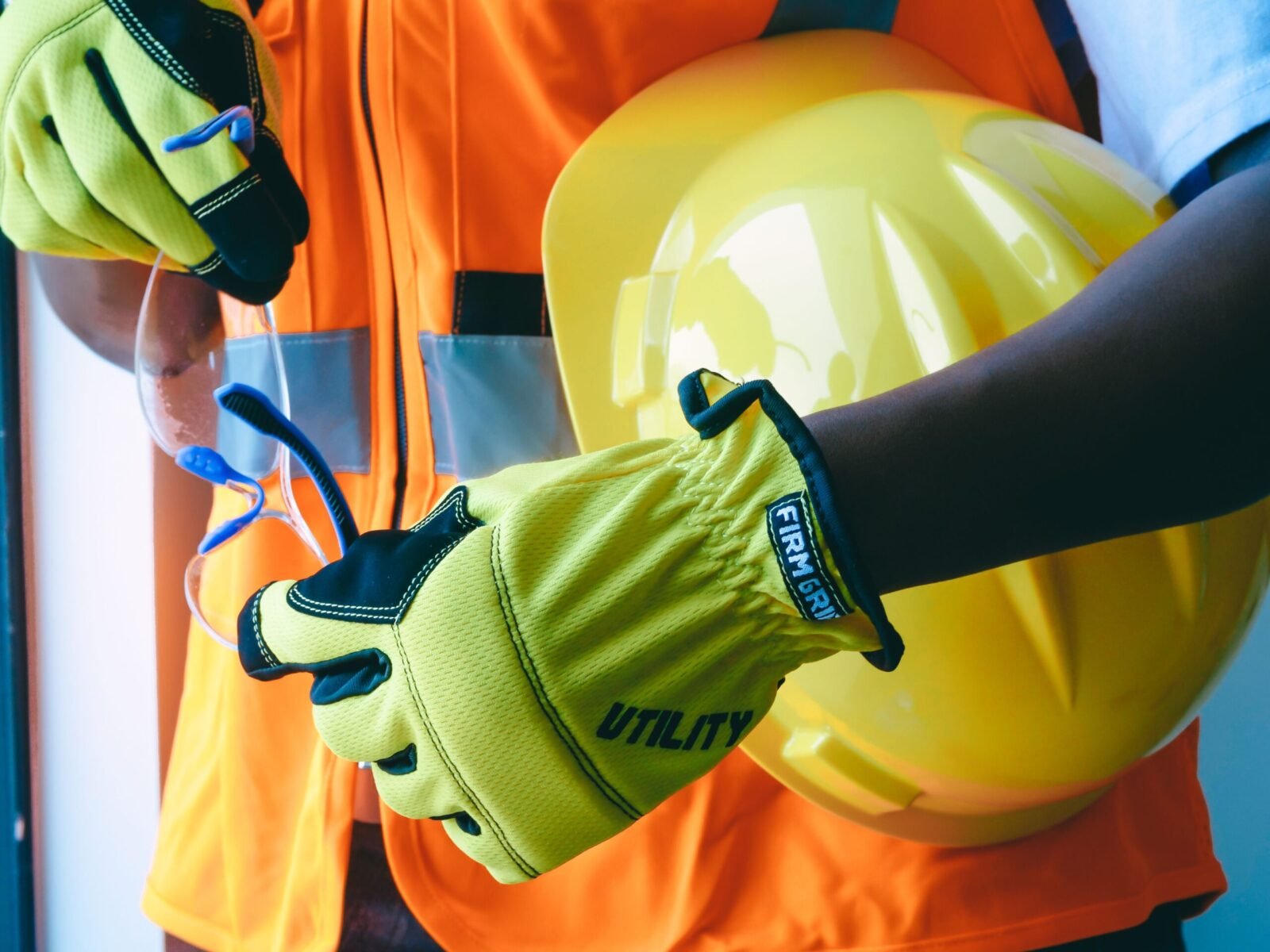
Personal Protective Equipment (PPE) & Gear
Full-Body Protection: Chemical-resistant or anti-static disposable coveralls to prevent skin absorption.
Respiratory Equipment: Supplied-air respirators or Self-Contained Breathing Apparatus (SCBA) depending on gas readings and entry phase.
Fall Protection & Retrieval: Full-body harness attached to a mechanical retrieval lifeline (such as a tripod winch system).
Standby Personnel: A dedicated, trained safety attendant stationed continuously at the tank entrance.
04
Safer Technologies Envirowaste
Automated & Remote Cleaning: By Envirowaste France Utilizing non-entry automated tank washing machines (such as ATEX-certified or PLC-monitored systems) drastically reduces or eliminates the need for personnel to physically enter toxic spaces.
What type of tank is being cleaned (mud tank, crude storage, or fuel)?
Are you looking for manual entry protocols or automated/remote cleaning options?
Contact Envirowaste for more information on how using the GTC Unit 224 2.0 is the Safest option