
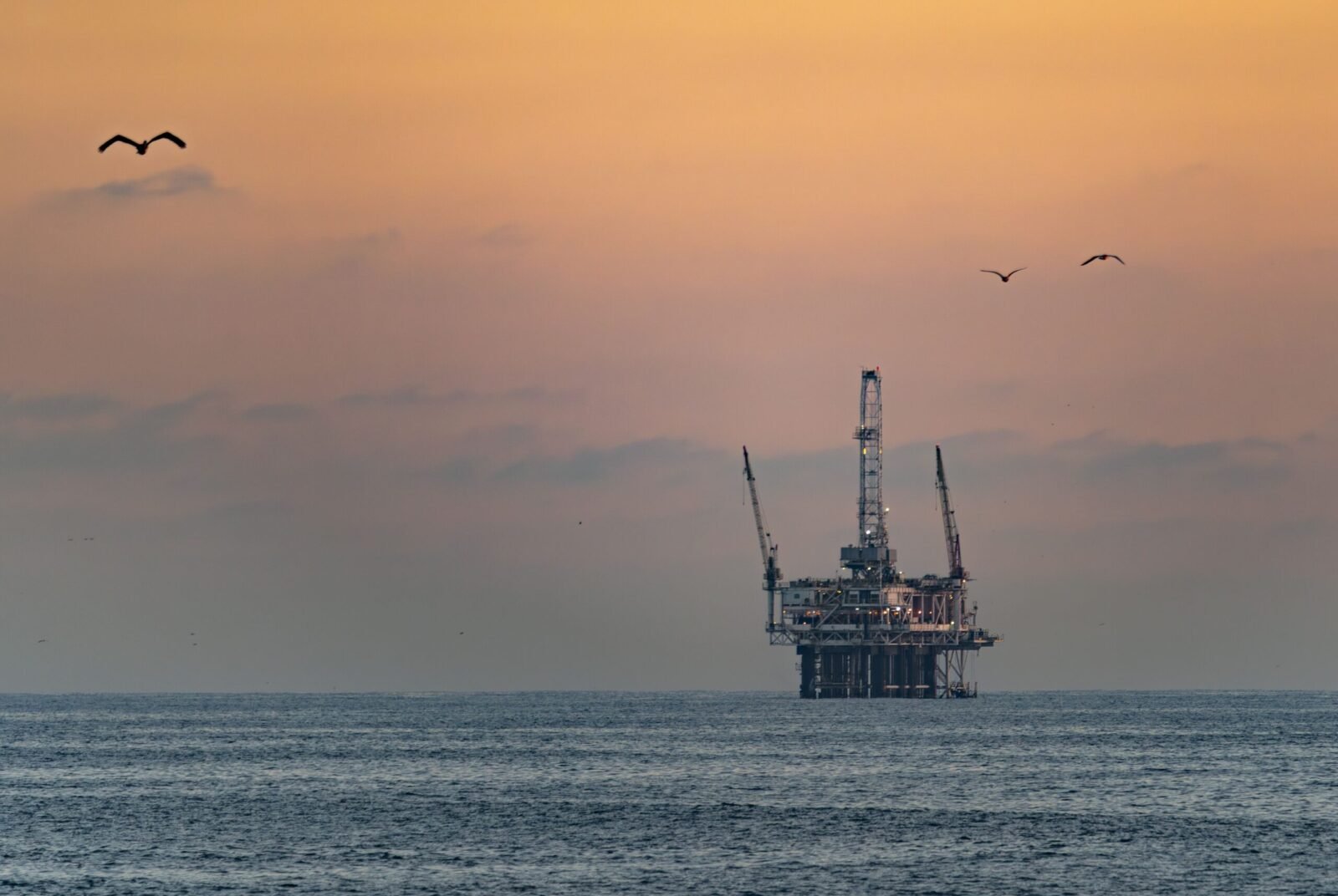
A comprehensive overview of industrial functions and subsea drilling mechanics. Core Purpose
Offshore Oil Rigs:
Purpose and Operations
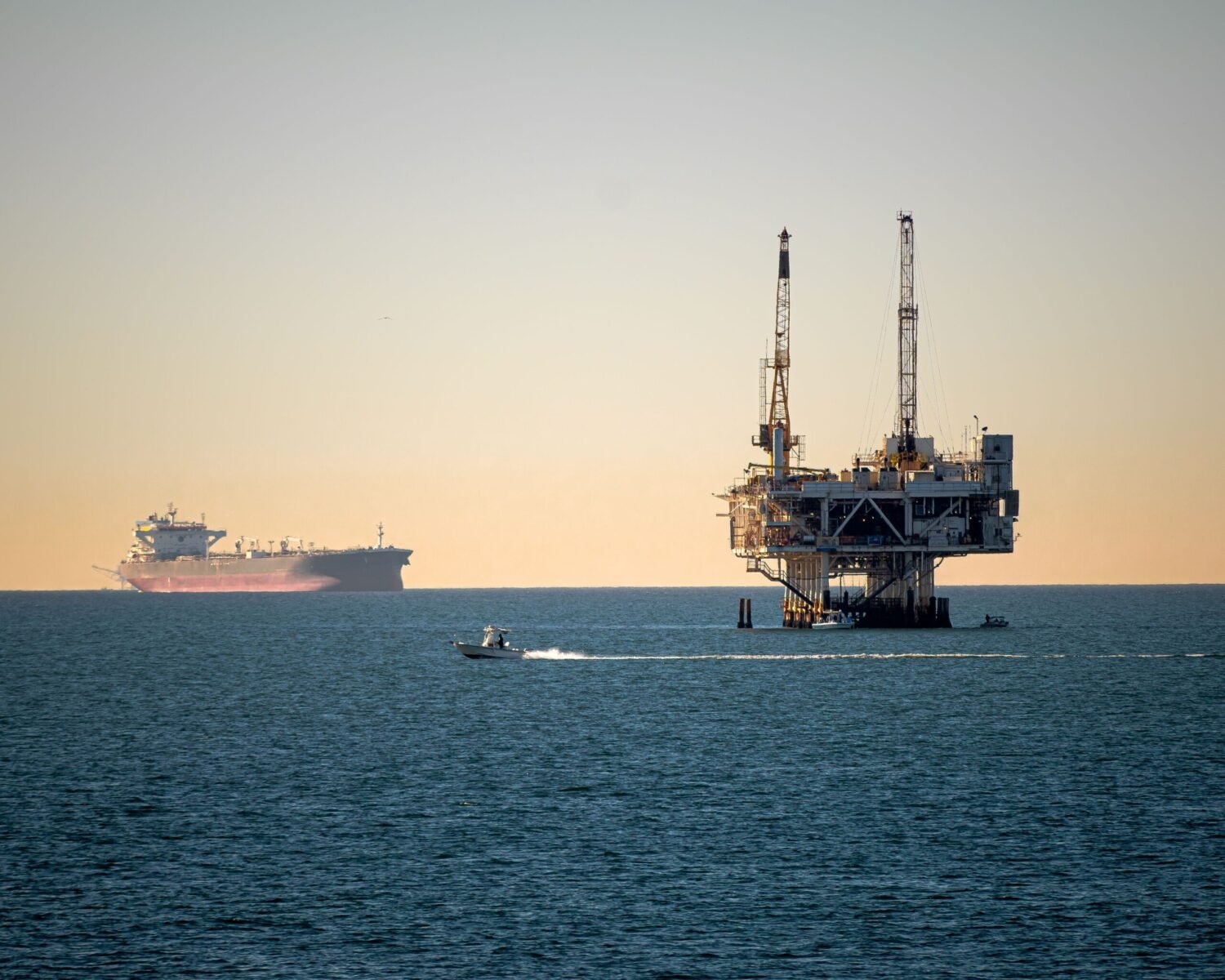
An offshore oil Rig’s main purpose is to explore, drill for, and extract crude Oil and natural gas trapped in rock layers beneath the ocean floor. These structures operate like self-contained industrial cities floating or standing on the ocean, blending massive mechanical strength with precise chemical engineering to safely tap into high-pressure energy reserves thousands of meters below the seabed.
Key Functions
Temporary Storage & Export: Holds Oil and gas temporarily or routes it directly to land via subsea pipelines or floating storage vessels.
Drilling Wells: Uses a mechanical derrick and drill string to bore deep holes through the seabed into underground hydrocarbon reservoirs.
Extraction & Processing: Pumps out raw Oil and gas, and handles initial separation (removing sand, water, and impurities) or chemical conditioning before transport.
Self-Contained Operations: Houses power generation, safety systems like blowout preventers, and
crew living quarters to operate independently in harsh marine environments.
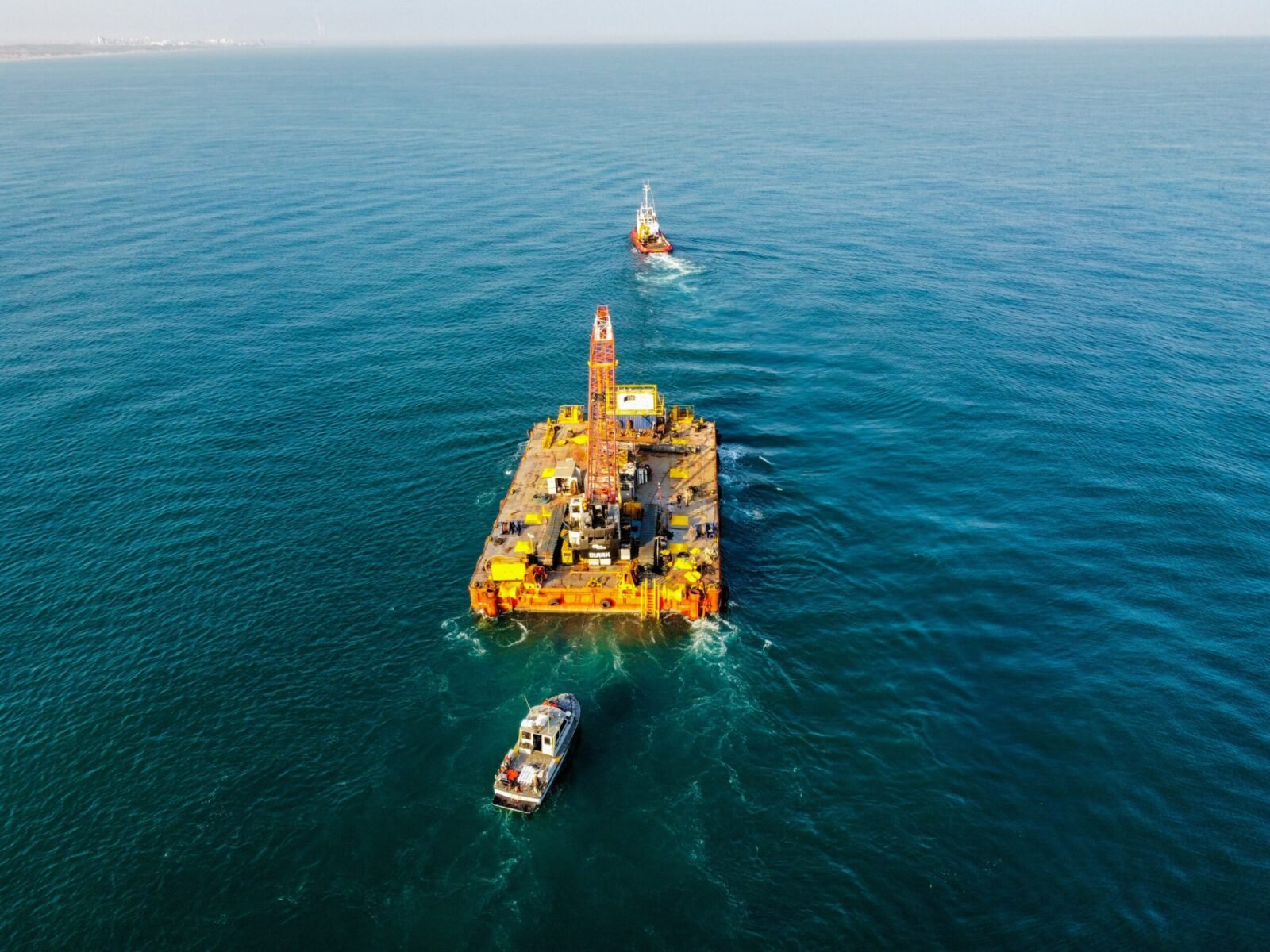
Technical Process & Phases Positioning and Stabilization
Shallow Water: Jack-up Rigs extend massive steel legs down to anchor firmly into the ocean floor, lifting the platform entirely above the waves.
Deep Water: Actual floating structures (semi-submersibles or Drillships) stay perfectly in place using satellite-guided Dynamic Positioning Systems. Computer-controlled thrusters automatically fight winds, waves, and currents to keep the rig micro-targeted over the exact drill site.
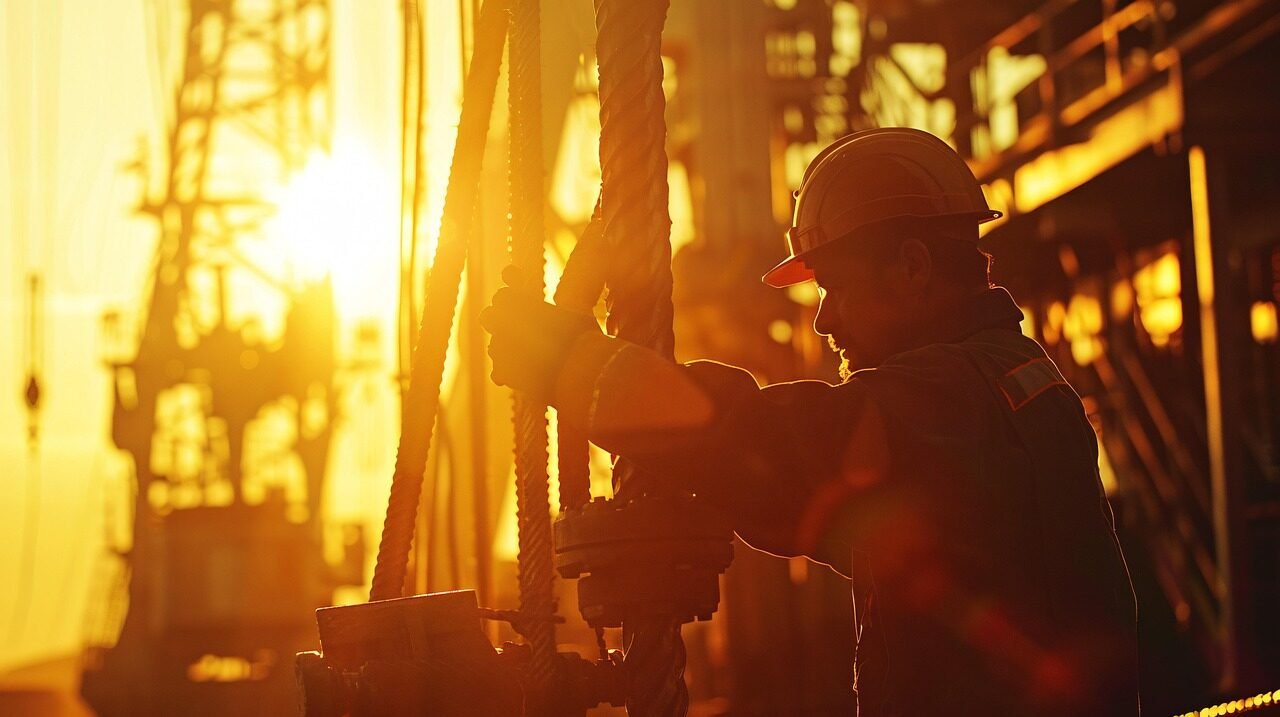
The Drilling Phase
The Cut: A powerful motorized top drive at the surface spins a miles-long string of connected steel pipes called a drill string down through a protective outer tube (riser). This causes the heavy drill bit at the bottom to grind through solid rock.
Drilling Mud: A specialized attentively tailored fluid is continuously pumped down through the inside of the pipe, exiting through the drill bit and shooting back to the surface. This mud cools and lubricates the bit, flushes rock cuttings out of the hole, and acts as a heavy liquid weight to control immense subterranean pressure. It can be built based on the Base Oil (OBM=Oil Based Mud or SBM=Synthetic Based Mud) or based on water (WBM = Water Based Mud).
Casing and Safety Control
Structural Integrity: Sections of heavy steel pipe, known as casing, are lowered into the wellbore and permanently cemented into place against the rock wall to prevent collapse or ocean leaks.
The Ultimate Safety Net: At the seabed sits the Blowout Preventer (BOP). This massivehigh-pressure valve system acts as an emergency kill-switch, instantly shearing and clamping the well shut if a volatile pocket of gas or pressurized oil surges upward.
Extraction and Topside Processing
Initial Separation: Natural pressure or subsea pumps push raw fluids up to the topside deck. Large industrial separators scrub the volatile mixture to isolate crude oil, natural gas, sand, and saltwater.
Chemical Conditioning & Export: Chemical anti-freeze agents are injected into clean natural gas to prevent freezing in subsea lines. The refined hydrocarbons are then safely pumped into underwater pipelines or stored until cargo tankers arrive.
Envirowaste Cleaning Solution
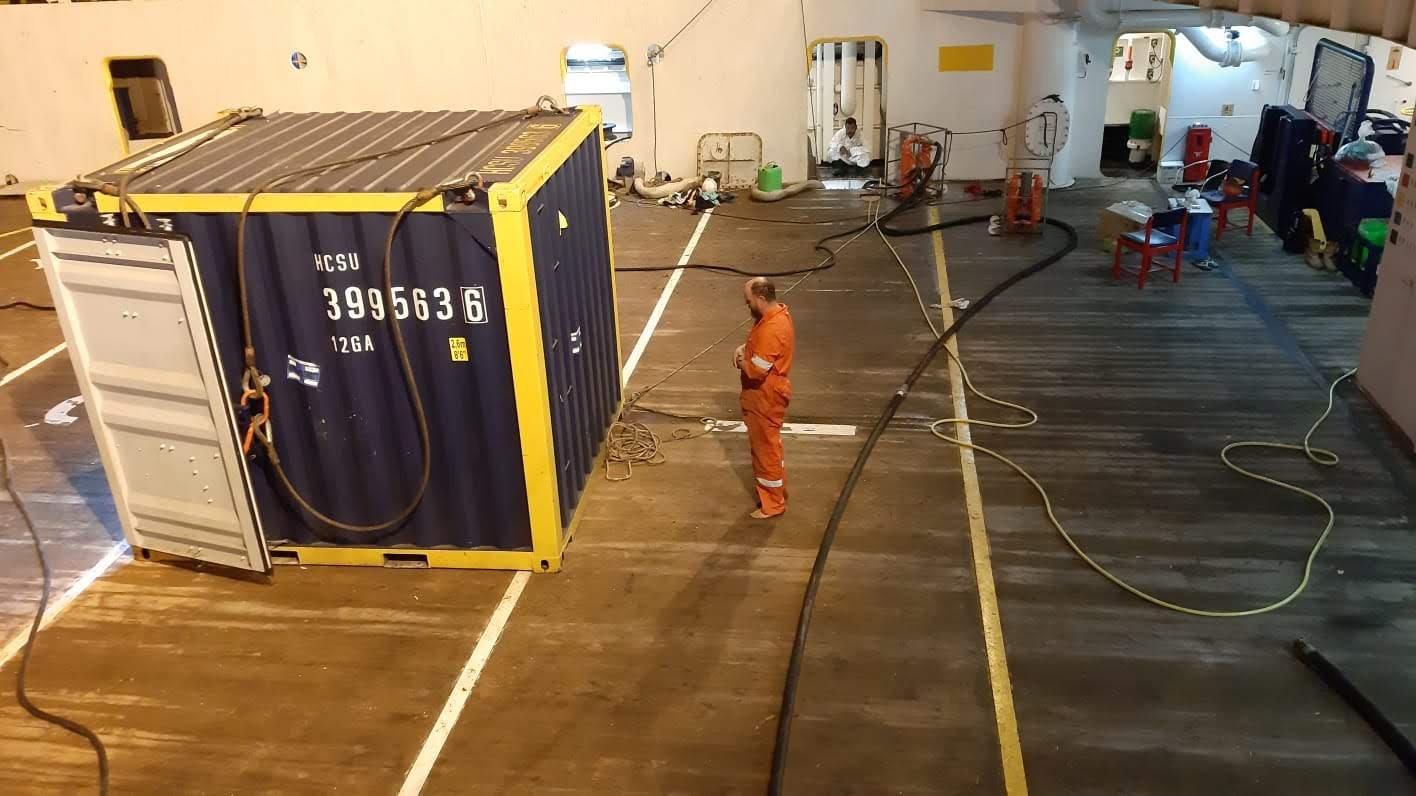
The final stage in the process using the GTC Unit model ECU 224 v2.0 from Envirowaste is to complete the operation of cleaning of the tanks with safety in mind.